


Orders

Profile

Noninvasive Prenatal Testing (NIPT) | All You Need To Know

 1 Likes|
 5 min
5 minNoninvasive prenatal testing (NIPT test), often called noninvasive prenatal screening (NIPS), is a procedure for determining the chance that the fetus will be born with specific genetic abnormalities. This testing analyzes small DNA fragments circulating in a pregnant woman's blood. Unlike most DNA, which is available inside a cell's nucleus, these fragments are called cell-free DNA (cfDNA) and are free-floating and not confined within cells. These small fragments usually contain less than DNA building blocks (base pairs) and arise when cells die and get separated, including DNA, and are released into the bloodstream.
What is noninvasive prenatal testing (NIPT)?
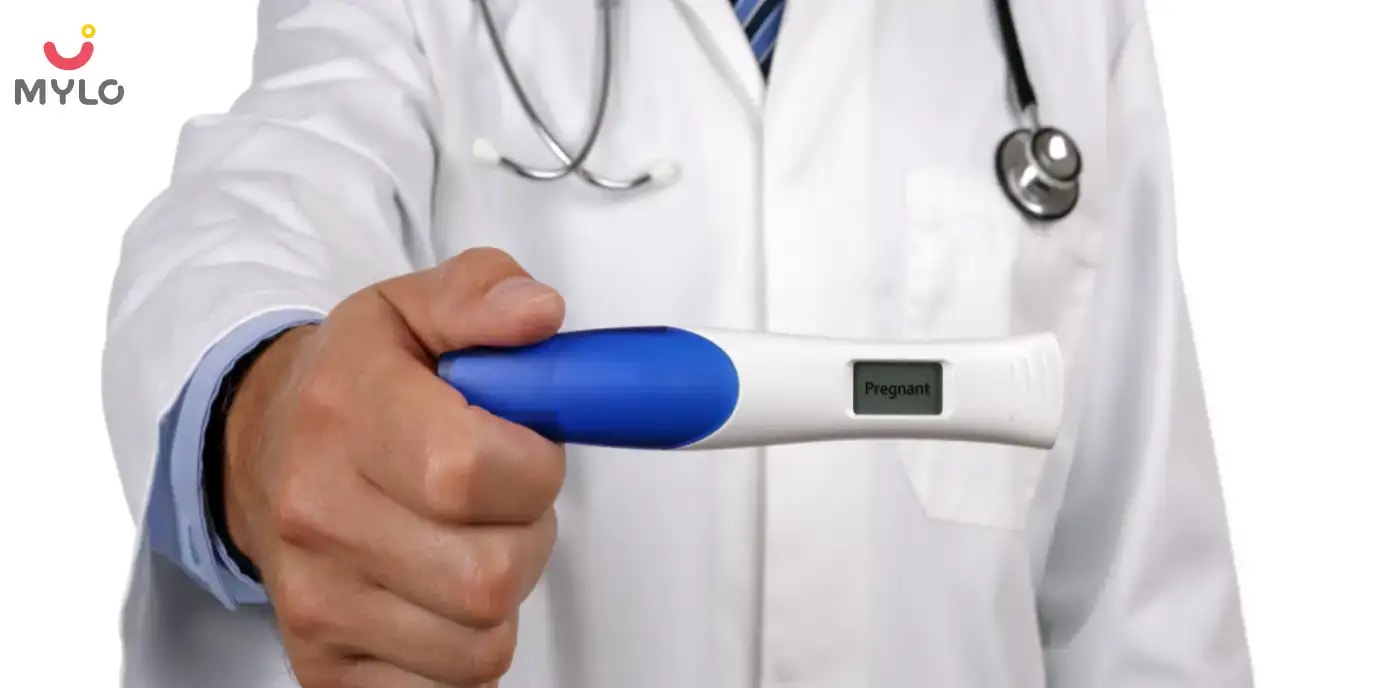
NIPT test in pregnancy is an extremely accurate screening test. Screening tests are used to determine if the baby has a very high potential for a genetic health condition. These conditions include Down's Syndrome and other chromosomal differences. NIPT test pregnancy involves a straightforward blood test that will be done in the first trimester of gestation. There are different varieties of testing available to check the health of the baby. It is up to the mother to decide which test to opt for. The best option is to talk about the available options with a gynecologist or genetic counselor.
While pregnant, the mother's bloodstream contains a mix of cfDNA stored in her cells and cells from the placenta. The placenta is tissue in the uterus that links the fetus to the mother's blood supply. These cells are shed into the mother's bloodstream throughout pregnancy. The DNA in placental cells is usually identical to the DNA of the fetus. Analyzing cfDNA from the placenta offers a window of opportunity for the diagnosis of certain genetic abnormalities damaging the fetus.
When can you take the NIPT test?
During pregnancy, a tiny bit of the DNA inside the mother originates from the placenta or the fetal DNA. The standard NIPT test can detect pregnancies that appear to have a notable difference from the usual quantity of fetal DNA. This is very important as it lets the expecting mother recognize the unborn child's chance to develop certain birth abnormalities Sickle Cell.
However, there exists an extensive debate about the optimum time to proceed with NIPS testing. Some experts say it is possible to have it at 9 -10 weeks of gestation while some recommend it at 13- 14 weeks. Usually, depending on the laboratory, the NIPT exam is often performed anytime following the 10th week of pregnancy and usually before 24 weeks.
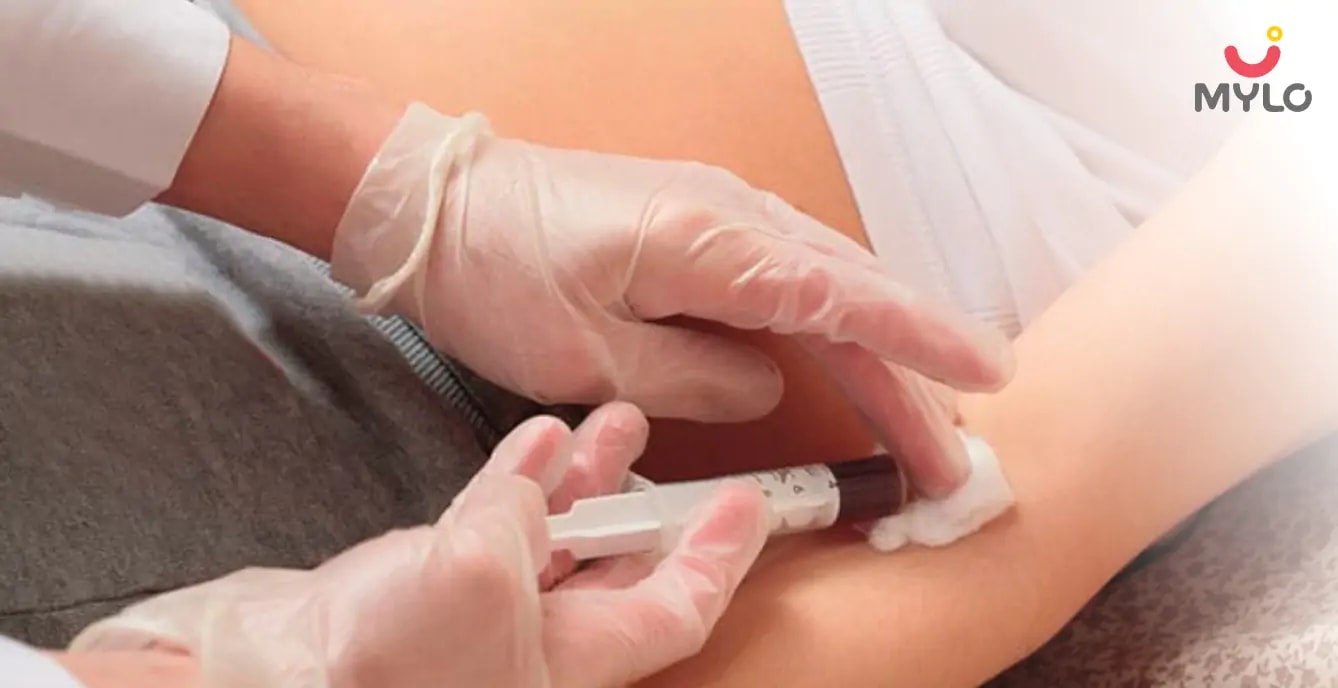
About 10% of cell-free DNA (cfDNA) in maternal blood is of fetal origin. This is analyzed by the NIPT test. Normally, it takes up to 2 weeks or maybe more to get the result of the NIPT. The testing is carried out with just one tube of blood drawn from the arm of the pregnant woman. From the result, it can be determined if the pregnancy is at low risk or higher risk of having chromosome conditions like,
-
Down's Syndrome (trisomy 21).
-
Edward Syndrome (trisomy 18).
-
Patau Syndrome (trisomy 13).
-
Sickle Cell (where one takes the Sickle Cell NIPT test).
Who Needs to Opt for NIPT Test Pregnancy?
The NIPT is quite a sensitive test. NIPS testing can detect more than 99% of cases of Down's Syndrome. But it is just a screening test rather than a diagnostic test.
It can reveal if there is a heightened chance of having a baby with a genetic precondition. But it generally does not offer a definitive answer. For many parents, however, information from screening tests can help them decide whether to have further diagnostic testing.
It is a good idea to take a NIPT test in pregnancy under the following circumstances -
-
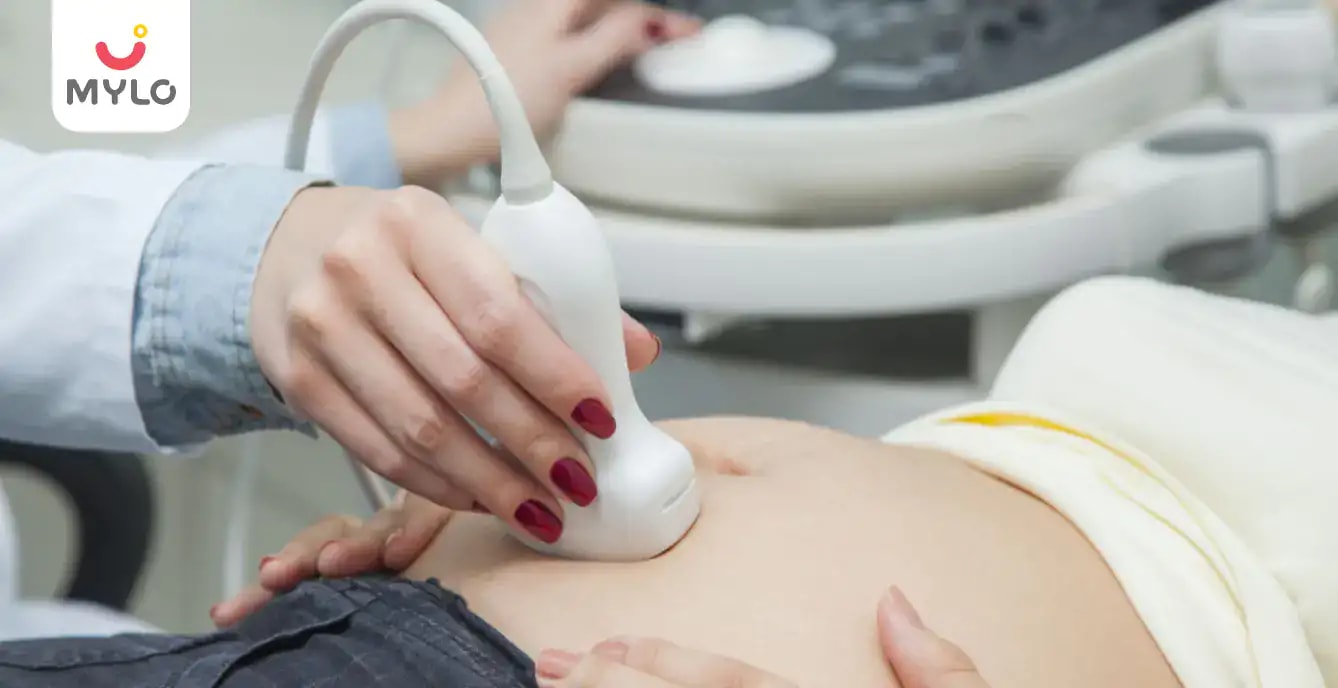
If the first trimester combined screening tests prove that there is an increased chance of delivering a baby with Down's Syndrome; this test is usually done between 10 to 12 weeks of pregnancy through a blood test or 11 to 13 weeks of pregnancy through an ultrasound.
-
If the first trimester combined screening test was missed for some reason.
-
To assess if the fetus is healthy and does not have the risk of being born with Down Syndrome.
-
To screen for genetic preconditions before going for diagnostic tests like CVS (Chorionic Villus Sampling) or amniocentesis.
-
If an elder sibling or husband/partner already has Down Syndrome.
NIPS testing can be expensive but is usually covered under medical insurance. Expecting parents must consult a doctor to get the best advice on non-invasive prenatal testing.
 Yes
Yes
 No
No
Your parenting partner
in your pocket.
supportive community.

Your parenting partner
in your pocket.
supportive community.


Article Posted Under
Helpful Tools & Calculators
.webp&w=32&q=75)










A globetrotter and a blogger by passion, Parul loves writing content. She has done M.Phil. in Journalism and Mass Communication and worked for more than 25 clients across Globe with a 100% job success rate. She has been associated with websites pertaining to parenting, travel, food, health & fitness and has also created SEO rich content for a variety of topics.
Related Articles

Questions about this article
- Asked when 33 weeks pregnant
Influenza and boostrix injection kisiko laga hai kya 8 month pregnancy me and q lagta hai ye plz reply me
- Asked when 7 weeks pregnant
Hai.... My last period was in feb 24. I tested in 40 th day morning 3:30 .. That is faint line .. I conculed mylo thz app also.... And I asked tha dr wait for 3 to 5 days ... Im also waiting ... Then I test today 4:15 test is sooooo faint ... And I feel in ma body no pregnancy symptoms. What can I do .
- 26 weeks pregnant
Baby kicks KB Marta hai Plz tell mi
- trying to conceive
PCOD kya hota hai
- Asked when trying to conceive
How to detect pcos
Related Topics
.webp&w=32&q=75)
Recently Published Articles
Your body needs extra nutrition this trimester - these can help.
স্তনের উপর সাদা দাগ: লক্ষণ, কারণ এবং চিকিৎসা | White Spots on Nipple: Causes, Symptoms, and Treatments in Bengali
Velamentous Cord Insertion - Precautions, Results & Safety

Unlock the Secret to Flawless Skin: 7 Must-Have Qualities in a Face Serum
Unlock the Secret to Radiant Skin: How Vitamin C Serum Can Transform Your Complexion
Gender No Bar: 10 Reasons Why Everyone Needs a Body Lotion
Medical Disclaimer
This content is for informational purposes only and should not replace professional medical advice. Consult with a physician or other health care professional if you have any concerns or questions about your health. If you rely on the information provided here, you do so solely at your own risk.


AWARDS AND RECOGNITION

Mylo wins Forbes D2C Disruptor award

Mylo wins The Economic Times Promising Brands 2022
AS SEEN IN












- Mylo Care: Effective and science-backed personal care and wellness solutions for a joyful you.
- Mylo Baby: Science-backed, gentle and effective personal care & hygiene range for your little one.
- Mylo Community: Trusted and empathetic community of 10mn+ parents and experts.


Product Categories
Baby Carrier | Baby Soap | Baby Wipes | Stretch Marks Cream | Baby Cream | Baby Shampoo | Baby Massage Oil | Baby Hair Oil | Stretch Marks Oil | Baby Body Wash | Baby Powder | Baby Lotion | Diaper Rash Cream | Newborn Diapers | Teether | Baby Kajal | Baby Diapers Pants | Cloth Diapers | Laundry Detergent | Lactation Granules |